DEA Materials List
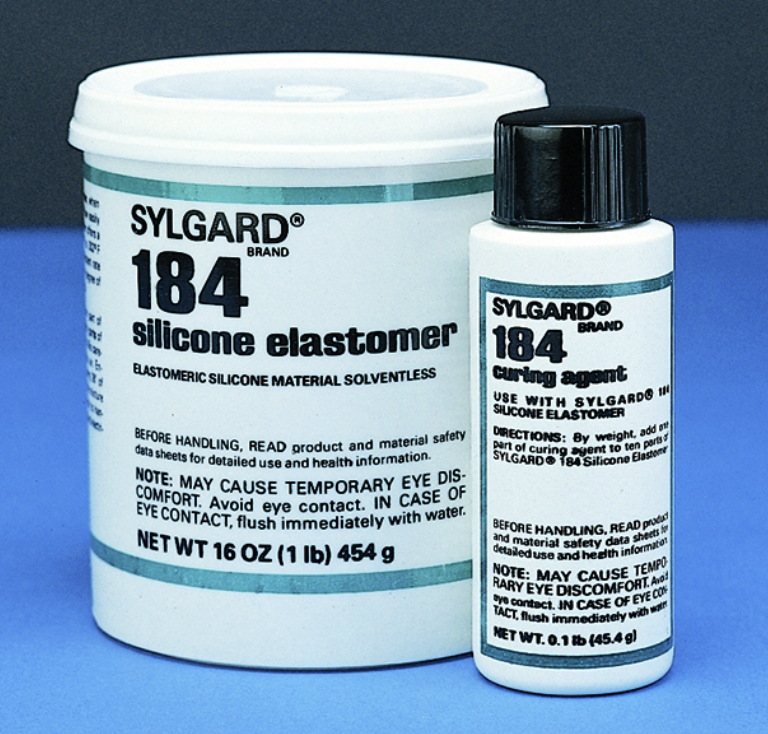
Sylgard 184 Silicone Elastomer
Sylgard 184 is a two-part polydimethylsiloxane (PDMS) silicone elastomer used in this project as an dielectric polymer and flexible material. Thickness can be adjusted to ones liking, but you will see it in this experiment as 50μm.

Carbon Grease
MG Chemicals 8481-1 is a premium carbon conductive grease, used in this project as a conductive and pliable material under movement. This carbon grease connects the electrodes to the PDMS and is applied on each side of the elastomer to create a capacitor.
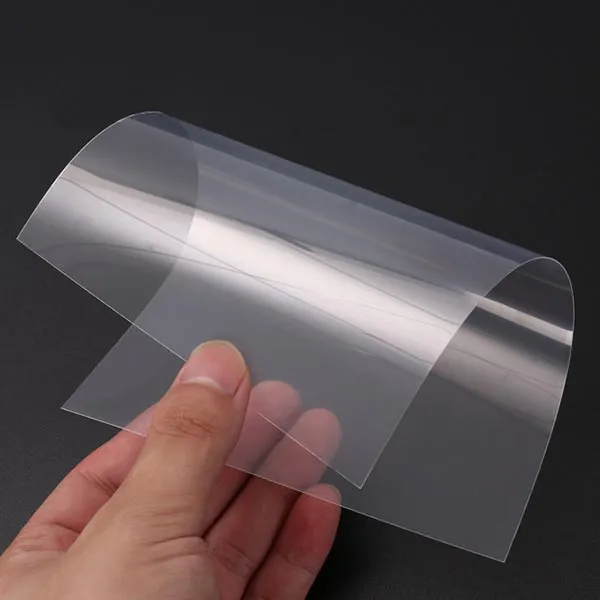
PET Film Sheets
PET Carrier film sheets were used for casting PDMS substrate due to their non-stick characteristics, cleanliness of the blade-coating machine, and a minimal thickness of 127 μm. With careful experimentation, these sheets can be reused for continuous PDMS blade-coating.

Acrylic Sheets
Acrylic sheets at a thickness of 0.125 in were used in this project to hold the shape of our DEA sample as well as maintain consistent sizes for each sample. adhesive conductive tape was added between the PDMS-acrylic interface to prevent slippage or ripping.
DEA Equipment List
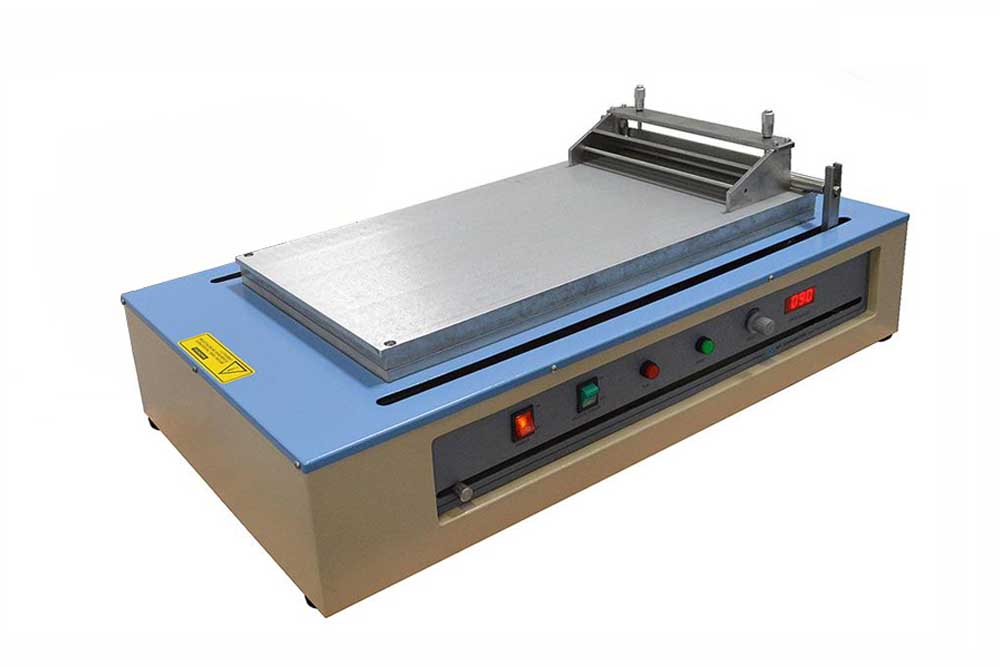
Blade Coater
A blade coater machine was used to spread the PDMS material to create consistent and accurate thicknesses, with our desired size being on the micrometer level.
Using a blade coater is the most effective and reliable way to know the true thickness of PDMS as well as minimize surface impurities and defects.
High-Voltage DC Power Supply
When a high voltage is applied to the DEA, an attractive electrostatic force is created between the electrodes that result is a deformation in the material due to a stressor.

Voltages in this lab varied between 500V and 1200 V, but in other projects it can go up to 5kV. Banana jacks and cords are necessary items with the power supply.
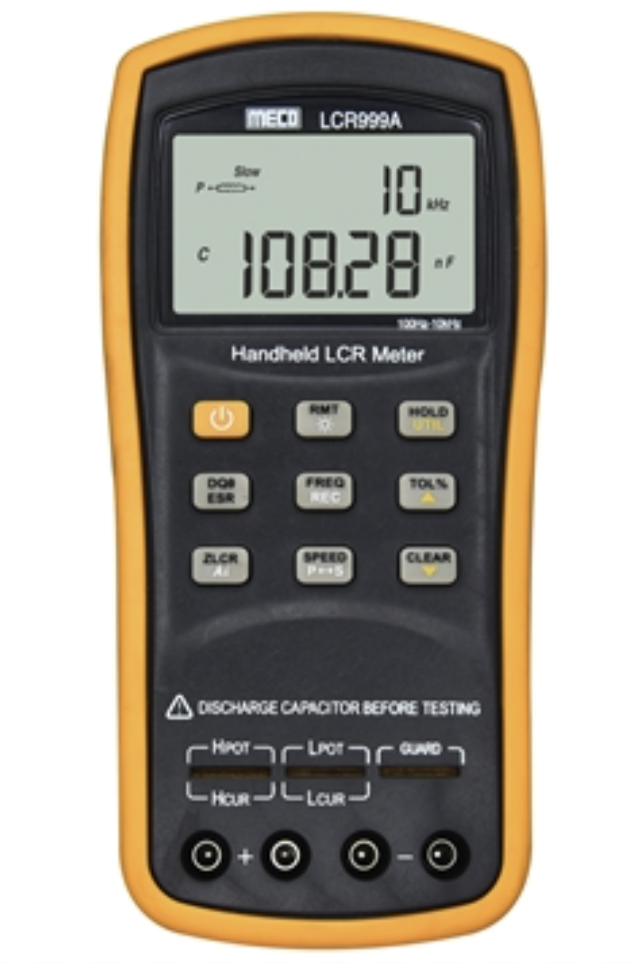
LCR Meter
As explained on our Background page, the DEA is essentially a capacitor. Using an LCR meter that applies a low-voltage AC test signal to the component, a capacitance measurement can be taken and compared to the actual capacitance level under experimentation.
Other Useful Materials or Equipment*
* and why they weren’t used during this experiment
Carbon Nanotubes
Using single walled carbon nanotubes instead of carbon grease provides a superior mechanical flexibility, higher electrical conductivity, and better structural reliability. This allows for larger and more stable actuator deformation without significant performance loss.
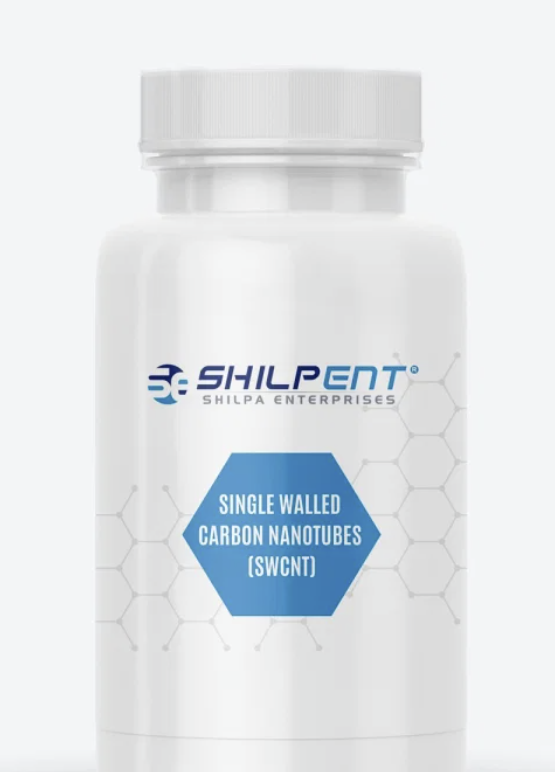
* Handling carbon nanotubes outside a contained and controlled area poses serious respiratory health risks, similar to asbestos. Side effects include lung inflammation, immune cell clusters, and fibrosis causing lung tissue scars and thickens. Carbon nanotubes are needle-like fibers that can lodge deeply in the lungs and cause persistent damage, potential DNA damage, and long-term neuroinflammation. There is no approved treatment to reverse this damage – for the safety of our experimentalists and the stakes of this undergraduate lab, this item was therefore not used.

Displacement Sensor
Being able to track the displacement of these DEAs would be beneficial know, and could deduce DEA efficiency, force exertion, and speed of movement.
* As explained on our Background page, a rolled DEA (RDEA) has larger displacement abilities compared to a flat single-sheet DEA due to number of layers and uniaxial strain. Since the RDEA portion of this lab was unsuccessful at showing macroscopic movement ,this equipment was omitted. Attaching the RDEA to the sensor also had its difficulties, and the amount of friction on the sensor is predicted to have hindered the true movement of the RDEA.